
Companion Plants
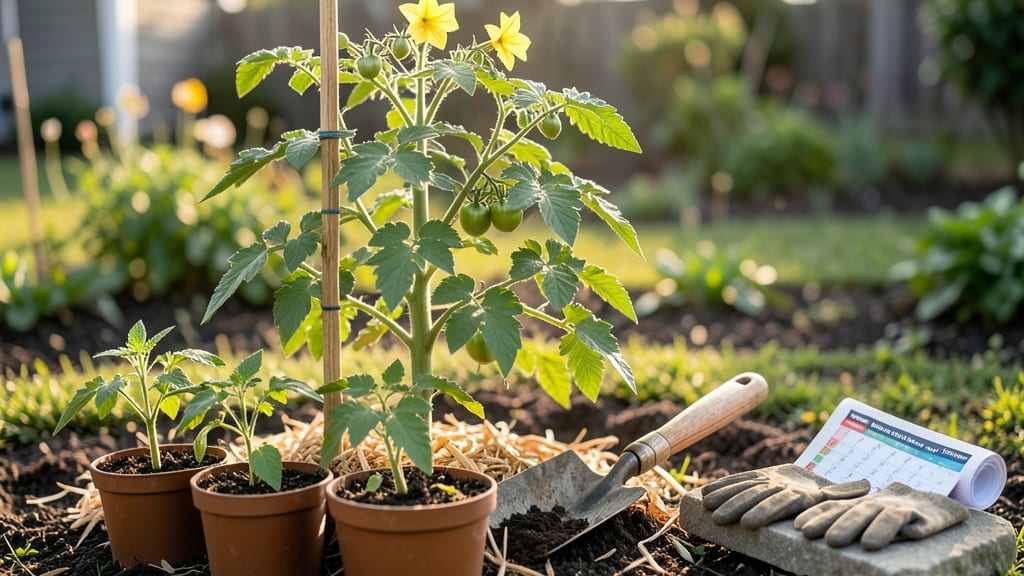
Planting tomatoes in Ohio at the wrong time can mean the difference between a bountiful harvest and a sad, frost-nipped failure. The key is knowing your county's last frost date—because what works in Columbus might be too early for Cleveland or too late for Cincinnati.
Most Ohio gardeners wait until mid-April to mid-May to plant tomatoes after the last frost, but soil temperature matters just as much. If you're starting seeds indoors, begin them 6-8 weeks before your expected last frost date—around early March for most of the state.
This gives your 🍅 plants enough time to grow strong before transplanting.
Here's the secret: even within Ohio's USDA Zones 6a-6b, microclimates create big differences. Urban areas warm up faster than rural spots, and valleys can trap cold longer.
I'll show you exactly how to adjust your planting schedule based on where you live—so you can avoid common mistakes and maximize your harvest.
Ready to get growing? Let's break down the perfect timing for your Ohio tomato garden, including when to start seeds, transplant outdoors, and even how to extend your season with simple tricks. Your summer salads will thank you!
Ohio’s last frost dates by county: the exact window to plant tomatoes
Ohio’s diverse geography means your tomato planting window can vary by 2-3 weeks depending on where you live. Urban areas like Columbus and Cincinnati often experience frost 5-7 days later than rural counties, thanks to the urban heat island effect.
Knowing your specific last frost date ensures your seedlings survive and thrive.
Below is a county-by-county breakdown of Ohio’s 5-year average last frost dates, plus adjustments for microclimates like valleys, hillsides, and lakeside areas. For the most accurate timing, check local weather forecasts 2 weeks before your target date.
🌱 Pro Tip: Use black plastic mulch to warm soil 2-3 weeks earlier than the average last frost date—this is a game-changer for Ohio’s shorter growing season.
For northern Ohio counties like Ashtabula or Mahoning, aim to plant transplants after May 10 to avoid late-season frost. In southern Ohio, counties like Butler and Montgomery can start 2 weeks earlier—as early as April 25—if you use <
How to adjust your Ohio tomato planting schedule for success
Ohio’s unpredictable spring weather makes tomato planting timing a high-stakes game. While average last frost dates guide us, soil temperature and microclimates often dictate the real window. I’ve learned that even a week’s delay can mean the difference between a bountiful harvest and wilted seedlings.
Let’s break down how to fine-tune your schedule for Ohio’s 6a-6b climate.
First, always wait until soil temperatures hit 60°F consistently—not just air temperatures. A simple soil thermometer ($10 at garden centers) becomes your best friend. Cold soil stunts root growth, leaving plants vulnerable to disease.
I test temperatures in the morning for 3-5 days before planting—this small step saved my Early Girl tomatoes last spring from damping-off.
For northern Ohio gardeners (e.g., Ashtabula, Lorain), start seeds indoors 6-8 weeks before your last frost date (typically March 15-April 1). Southern Ohio (e.g., Chillicothe, Portsmouth) can push this to April 1-April 15.
Use grow lights if your windows don’t provide 12-14 hours of light—seedlings stretch painfully without them.
- 1 Test soil temperature daily for 3+ days—plant only when 60°F+ consistently. Use a soil thermometer at 2-inch depth.
- 2 Hardening off seedlings for 7-10 days: Start with 2 hours outdoors, increasing to full sun. Skip this step and seedlings shock—I’ve seen 50% failure from skipped hardening.
- 3 Use row covers if frost threatens after planting. Floating row covers (like Agribon) add 2-4°F protection—I’ve extended my season by 2-3 weeks with them.
Ohio’s microclimates can create 2-week differences in planting windows. For example, urban areas like Columbus often warm up faster than rural Delaware County. Check nearby weather stations or ask local Master Gardeners—their data beats general averages.
I once planted cherry tomatoes in my south-facing raised bed 10 days earlier than my neighbor’s north-facing yard, and they thrived while hers struggled.
If you’re transplanting seedlings from nurseries, wait until after May 1 in most of Ohio—this gives plants time to establish roots before summer heat hits. For direct sowing, use biorational seed treatments to prevent soil-borne diseases in Ohio’s humid climate.
I swear by Mycorrhizal fungi coatings—they’ve cut my seedling loss by 40%.
Finally, succession planting is your secret weapon. After harvesting your first early varieties (like Stupice), replant with mid-season types (e.g., Better Boy) in late June. This stretches your harvest until first frost—I’ve gotten tomatoes in October using this trick with row covers.