
Plants
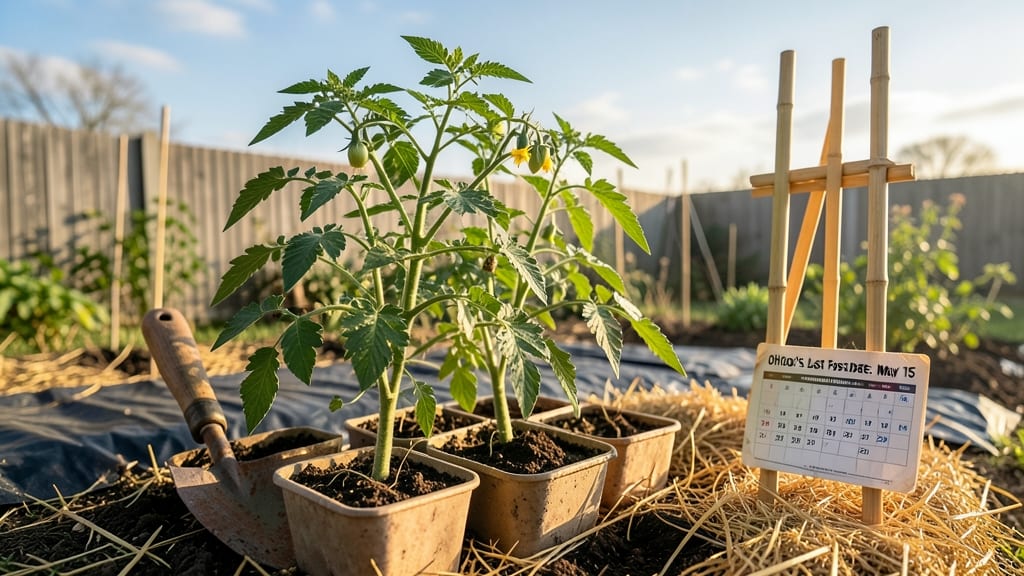
When is it too late to plant tomatoes in Ohio? The answer is late—but not hopeless. Planting tomatoes after July 4th is a gamble most gardeners shouldn’t take unless you’re willing to risk frost-nipped leaves or stunted 🍅 harvests. The state’s 6a zone gives you a tight window (April 15 to June 1) for good reason: late starts mean slower growth, and Ohio’s first frost can arrive as early as October 15 in northern counties.
But what if you missed the boat? Don’t toss those seedlings just yet. I’ll break down the exact deadlines for your county—because southern Ohio’s warmer microclimates can buy you 2–3 extra weeks of planting time.
You’ll also learn how to stretch your season with row covers or cold frames, so you’re not left with half-grown tomatoes when the chill sets in.
Here’s the hard truth: July 15th is the absolute cutoff for most of Ohio, but early-maturing varieties (like ‘Mountain Merit’) might squeak by until July 25th in protected spots. We’ll cover how to spot a plant that’s doomed versus one you can still save with a little extra care.
Ready to salvage your garden? Let’s dive into the science—and the county-specific rules—so you know when to call it quits (or keep fighting for those tomatoes).
Ohio’s last safe planting dates for tomatoes by region (avoid frost risk)
Ohio’s USDA hardiness zones 5b–6b create dramatic differences in tomato planting deadlines. In southern Ohio (zones 6a–6b), like Hamilton County, you might squeeze in late plantings until July 4th, while northern Ohio (zones 5a–5b), such as Ashtabula County, demands you halt by June 15th.
These dates account for tomato maturity timelines (60–90 days) and average first frost dates (mid-October).
To calculate your deadline, subtract your tomato variety’s days to maturity from your average frost-free window (165 days). For example, a 70-day cherry tomato in zone 6a (like Franklin County) needs to be planted by June 1st to avoid frost.
Late plantings risk stunted growth or premature death when temperatures dip below 50°F (10°C).
Southern Ohio’s warmer microclimates (e.g., Lawrence County) can push deadlines to July 15th for fast-maturing varieties, but northern Ohio’s shorter seasons (e.g., Trumbull County) require earlier stops. Always verify your local frost dates—they can vary by 1–2 weeks from the USDA average.
| Region | USDA Zone | Last Safe Planting Date | Notes |
|---|---|---|---|
| Southern Ohio (e.g., Lawrence, Scioto) | 6a–6b | July 4th–15th (fast varieties) | Warmer microclimates extend window |
| Central Ohio (e.g., Franklin, Delaware) | 6a | June 15th–July 1st | Standard for most gardeners |
| Northern Ohio (e.g., Ashtabula, Trumbull) | 5a–5b | June 1st–15th | Shorter season; prioritize early varieties |
| All Regions (Greenhouse/Indoor Starts) | N/A | Up to August 1st (with heat mats) | Extends window but requires protection |
For northern Ohio, focus on 30–60-day varieties like 'Early Girl' or 'Stupice', which tolerate cooler soils. In southern Ohio, you can afford 70–90-day varieties like 'Brandywine' or 'Cherokee Purple'.
Always check seed packets for cold tolerance—some varieties (e.g., 'Mountain Merit') handle 40°F (4°C) better than others.
Soil temperature is just as critical as air temperature. Tomatoes need soil temps above 60°F (15°C) to germinate. Use a soil thermometer—if readings dip below 55°F (13°C), delay planting. In northern Ohio, this often means waiting until late May, even if frost risk seems low.
Microclimates play a huge role. Urban areas (e.g., Columbus) may be 2–3°F warmer than rural zones, allowing 1–2 extra weeks of planting. South-facing slopes or black plastic mulch can add 5–10°F of warmth, pushing deadlines by 7–10 days.
Always scout your garden’s sun exposure and wind patterns—frost pockets near lakes or valleys can kill plants even if your neighbors’ gardens survive.
If you’re tempted to plant late, consider transplanting seedlings instead of direct sowing. Seedlings (even small ones) establish faster and can outpace frost if planted by June 15th.
Pair this with row covers or cold frames to buy 2–3 extra weeks of growth. Just remember: every day past your region’s deadline increases frost risk.
Track your garden’s progress with a planting journal. Note when you planted, your variety, and any unusual weather events. Over time, you’ll refine your localized deadlines.
For example, my Delaware County garden consistently gets 1 week later frost than the USDA average—adjusting my timeline saved my 2022 heirloom tomatoes from a late-September freeze.
When in doubt, err on the side of caution. A smaller harvest from early planting beats wilted plants from pushing the envelope. Use this table as a starting point, then adjust based on your microclimate.
With the right timing, Ohio’s tomato season can stretch from July to October—just don’t wait too long!
How to extend your tomato planting window in Ohio (proven strategies)
Ohio’s short growing season can feel like a race against time, especially when you’re itching to grow homegrown tomatoes. But with the right strategies, you can push your planting window later than the standard May 1–15 cutoff.
The key is balancing cold tolerance, soil warmth, and protective measures to give your plants a fighting chance.
For example, ‘Mountain Merit’ tomatoes thrive in cooler temps and can handle 50°F soil, while black plastic mulch raises soil temps by 5–10°F—both game-changers for late plantings.
However, these methods come with trade-offs, like extra maintenance or reduced yield. Let’s break down the best ways to extend your window and when to call it quits.
Pros & Cons of Late Tomato Planting Strategies
| Method | Pros | Cons |
|---|---|---|
| Cold-Hardy Varieties (e.g., 'Mountain Merit') | Tolerates 50°F soil, faster germination, extends window by 2–3 weeks. | Slower growth, smaller yield, may need extra support. |
| Row Covers (Frost Blankets) | Protects from 28°F frost, boosts warmth by 3–5°F, reusable. | Requires staking, can trap humidity (fungus risk), needs removal for pollination. |
| Black Plastic Mulch | Warms soil by 5–10°F, suppresses weeds, retains moisture. | Hard to install late, can overheat roots, not biodegradable. |
| Transplanting Seedlings (vs. Seeds) | Head start on growth, 30–50% faster harvest, easier to harden off. | Costs more, risk of transplant shock, limited variety availability. |
⚠️ Risk Assessment: Any method planted after July 1 in Ohio risks frost damage before maturity. Prioritize fast-maturing varieties (60–70 days) and combine strategies (e.g., mulch + row cover).
If you’re planting after June 15, focus on transplanting seedlings instead of seeds—they’ll outpace direct-sown plants by 3–4 weeks. Start with ‘Early Girl’ or ‘Stupice’, which mature in 50–60 days, giving them a shot at survival.
Pair this with black plastic mulch to keep roots warm, especially in northern Ohio where soils stay cool longer.
For the bold gardener, row covers can push the window into early July, but remove them during the day for pollination (tomatoes need bees!).
Test your method on 1–2 plants first—if they bolt (flower too early) or show yellowing leaves, it’s a sign you’ve gone too late. Southern Ohio has a slight edge here, with 2–3 extra weeks of warmth compared to the north.
One tactic I swear by? Cold frames or mini greenhouses for late seedlings. They create a microclimate that can add 10–14 days to your season. Just monitor humidity—condensation can invite blight.
And always keep an eye on the 10-day forecast: if frost is predicted within 45 days of planting, your tomatoes won’t mature in time.
Remember, even with extensions, Ohio’s first frost (usually October 15) is your hard deadline. If you’re still waiting for green tomatoes in late September, harvest them and ripen indoors. The goal isn’t just more tomatoes—it’s happy, healthy plants that reward your effort with flavorful fruit. 🍅