
Planting
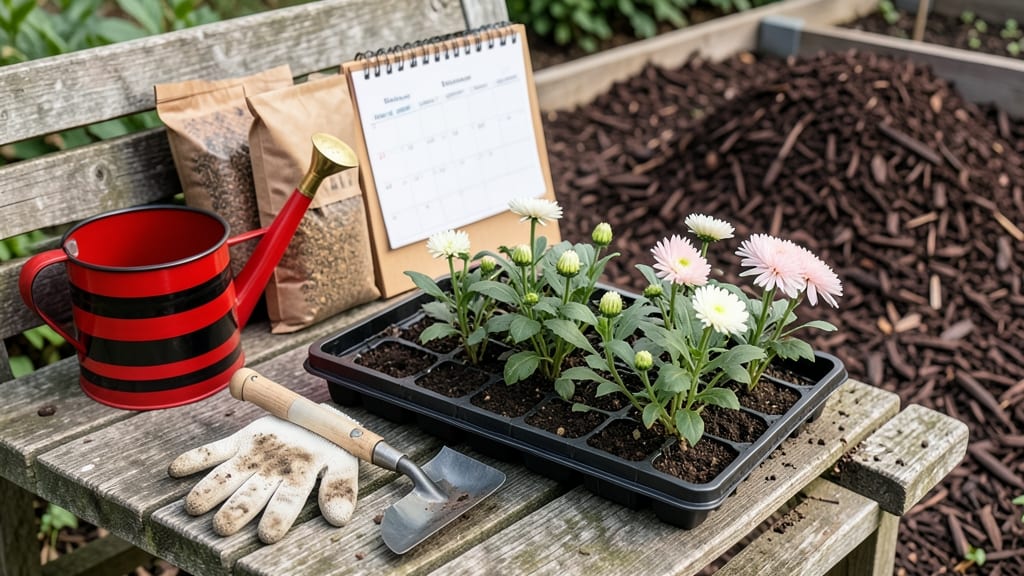
If you're dreaming of a garden bursting with fall color, timing is everything when it comes to planting 🌼 mums in the ground.
The key to vibrant blooms that last through the season lies in knowing exactly when to get those plants into the soil—too early, and they’ll flop; too late, and frost will nip them before they even show off their colors.
Most gardeners in Zone 6a and beyond wait until late summer—about 4-6 weeks before the first frost—to plant mums, but the exact month depends on your last frost date and whether you’re starting from seeds or transplants.
Get it wrong, and you’ll miss out on the stunning display you’ve been hoping for.
I’ll walk you through the perfect planting window for your region, plus pro tips to ensure your mums thrive from the moment they hit the soil.
Whether you’re a first-time gardener or a seasoned pro, these insights will help you plant with confidence and enjoy a garden that pops with color all season long.
Ready to transform your yard into a fall masterpiece? Let’s dive into the exact months—and a few surprises—that will make your mum planting a success.
Best planting months for mums by USDA hardiness Zone
Planting cold-hardy mums at the right time ensures vibrant blooms and winter survival. Unlike tropical varieties, these USDA Zone 3–9 mums thrive when planted in late summer or early fall, but exact timing varies by zone.
The key is to give roots 4–6 weeks to establish before the first frost—too early, and they’ll bolt; too late, and frost will damage tender growth.
Most gardeners focus on fall planting for fall color, but spring planting is also possible in warmer zones (7–9). Early varieties like 'Bonanza' bloom sooner, while late types like 'Dynamite' need extra time. Below, find your zone’s ideal window, including soil temperature and frost deadlines to avoid winterkill.
For Zone 3–4, aim for late July to early August—this gives roots time to anchor before September frost. In Zones 5–6, extend the window to mid-August through early September, aligning with 55–65°F soil.
Southern zones (7–9) can plant later, even into October or November, but avoid freezing temperatures.
Spring planting is riskier but works in Zones 7–9. Start in March–April when soil warms to 60°F+. Use mulch to protect roots from late frosts, and choose heat-tolerant varieties like 'Vantage' to prevent bolting.
Never plant spring mums in Zones 3–6—they’ll bloom too late and struggle with winter.
Soil temperature is critical: mums need 50–75°F soil to root. Test with a soil thermometer—if it’s below 50°F, wait. Amend cold soil with compost to warm it faster. In containers, use heat mats in cooler zones to extend the season.
Frost sensitivity varies by variety. Early bloomers (e.g., 'Bonanza Series') need longer root time—plant them 6 weeks before frost. Late varieties (e.g., 'Dynasity') tolerate cooler soil and can go in 4 weeks out. Always check the tag’s bloom time—it’s your best guide.
Mums planted too early may bolt (send up flower stems prematurely), while late plantings risk frost damage before roots establish. In Zones 3–5, mulch heavily with straw or leaves after planting to insulate roots. In Zones 7–9, water deeply before winter to prevent drought stress.
Pro tip: If your zone’s frost date is unpredictable (like Zone 6), use a row cover for 2–3 weeks after planting to shield tender growth. This buys time for roots to strengthen. Avoid plastic mulch—it traps heat and can scorch mums in hot climates.
For container gardening, plant 2–4 weeks earlier than ground plantings—pots cool faster. Use self-watering containers to prevent drought stress, and move pots to sheltered spots at night if frost threatens. Dwarf varieties like 'Little Albert'
How to choose mums based on your last frost date
Selecting the right mum varieties for your climate ensures vibrant blooms and strong cold hardiness. Your last frost date determines which chrysanthemum types will thrive—early bloomers for cooler zones or heat-tolerant varieties for southern gardens. Let’s break down how to match your mum choices to your region’s frost timeline.
First, find your average last frost date using the USDA Plant Hardiness Zone Map. For example, Zone 5 typically experiences frost around October 15, while Zone 9 may see frost as late as December 15.
This date dictates when to plant cold-hardy mums like 'Bonanza' or 'Dynamite' for fall color.
- 1 Calculate your last frost date using your USDA Zone (e.g., Zone 6 = October 15).
- 2 Plant 4-6 weeks before frost for early bloomers like 'Bonanza' (Zones 3-9).
- 3 Choose heat-tolerant mums (e.g., 'Vantage') for Zones 8-10 if frost arrives late.
- 4 Adjust timing for transplants: Plant young mums 2-3 weeks earlier than seeds.
- 5 Mulch after planting to protect roots from early frosts in Zones 3-5.
For northern climates (Zones 3-5), prioritize early blooming mums like 'Bonanza' or 'Dynamite'—they’ll flower even if frost hits early. Plant these 6-8 weeks before your last frost (e.g., late July in Zone 5) to ensure roots establish before cold sets in.
In southern zones (7-10), opt for heat-tolerant varieties like 'Vantage' or 'Sahin.' These thrive in warmer temperatures and can handle late frosts. Plant them 4-6 weeks before your average frost date (e.g., September-October in Zone 9) to avoid summer stress.
Pro tip: Use transplants instead of seeds for faster blooms. Transplants need 2-3 fewer weeks to establish, giving them a head start in cooler zones. Always check the variety’s frost tolerance label—some mums survive 20°F, while others need 30°F+.
Once planted, monitor your garden for early frost warnings. Cover tender mums with frost cloth if temperatures dip below their tolerance. With the right variety and timing, your mums will burst into color just in time for fall—no frost damage in sight!