
Plants
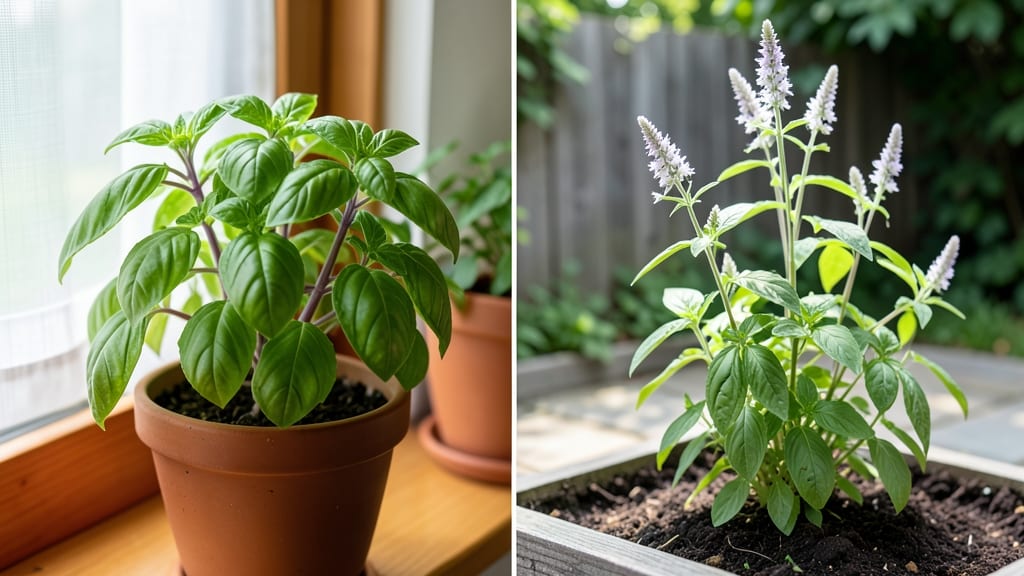
If you’ve ever watched this basil plant stretch toward the sky like it’s reaching for the clouds, you’re not alone—many gardeners wonder just how tall this vibrant herb can grow. The answer isn’t one-size-fits-all, because basil height depends on its variety, how you prune it, and the care it receives.
Some types stay compact at just 6 inches, while others can tower up to 3 feet if left unchecked.
Understanding these differences is key, especially if you’re growing basil for cooking or container gardens where space is limited. Whether you’re cultivating classic Genovese basil for pesto or experimenting with dwarf varieties, knowing the right height expectations helps you plan your garden layout and maximize your harvest.
The good news? With a few simple pruning techniques, you can easily control basil’s growth—no matter which variety you choose.
But here’s the catch: letting basil grow too tall can actually reduce your yield and make it more susceptible to pests. That’s why I’ll share the exact pruning secrets to keep your plants at the perfect height for bigger, bushier leaves all season long.
Ready to transform your herb garden? Let’s dive into the details.
From the shortest dwarf basil to the tallest bush varieties, we’ll cover everything you need to know to grow basil that’s both productive and visually appealing.
Whether you’re a seasoned gardener or just starting out, these insights will help you get the most out of your plants—without sacrificing flavor or aesthetics.


Basil plant height by variety: exact growth expectations
If you’ve ever wondered why your Genovese basil towers over your Thai basil or why some varieties stay neatly compact, the answer lies in their genetics—and your care routine. Basil heights vary dramatically, from dwarf varieties under 12 inches to towering bush types reaching 36 inches.
Understanding these differences helps you plan your garden layout, choose containers, and even control growth through pruning.
Most basil plants fall into three height categories: dwarf (6–12 inches), standard (12–24 inches), and tall/bush (24–36 inches). The variety you select directly impacts spacing needs, sunlight exposure, and airflow—critical factors for preventing disease and encouraging lush foliage.
For example, Purple basil often grows taller than Lemon basil, while Spicy Globe basil stays compact, making it ideal for windowsill gardens.
Here’s the key: spacing matters. Crowded basil plants compete for sunlight and nutrients, leading to leggy growth. Dwarf varieties need at least 6 inches of space, while tall types require 18–24 inches between plants.
In containers, choose varieties based on pot size—5-gallon pots work for standard types, while 3-gallon pots suit dwarf or bush varieties.
Sunlight is another game-changer. Basil craves 6+ hours of direct sun daily, but tall varieties may need partial afternoon shade in hot climates to prevent stress.
Without enough light, basil stretches unnaturally—a condition called etiolation—resulting in weak stems and sparse leaves. Always match your basil variety to your garden’s light conditions.
Now, let’s break down the exact heights for popular basil varieties and their ideal growing conditions in this summary table:
For container gardening, bush basil varieties like Sweet Thai or Cinnamon Basil
Pruning secrets to control basil height & boost yield
If your basil plants are towering like giant herb trees instead of producing lush leaves, pruning is your secret weapon. The right pruning techniques can keep your plants compact, encourage bushier growth, and even double your harvest.
Whether you're growing Genovese basil for pesto or Thai basil for curries, mastering these methods will transform your herb garden.
Most basil varieties naturally reach 12–24 inches tall if left unchecked, but with strategic pruning, you can control their height while maximizing leaf production. The key lies in pinching back young shoots, harvesting regularly, and seasonal trimming to maintain a balanced shape.
Let’s dive into the step-by-step process to keep your basil at your desired height—whether that’s a bushy 12-inch plant for containers or a taller 24-inch specimen for in-ground gardens.
Step-by-Step Basil Pruning Guide
When your basil reaches 6–8 inches tall, pinch off the top set of leaves using your fingers. This encourages lateral branching, creating a bushier plant with more leaf production.
Snip leaves from the top third of the plant when they’re large and mature. Avoid cutting into the main stem to prevent shock. Harvesting every 2–3 weeks keeps the plant productive and prevents legginess.
As soon as you spot flower buds, pinch them off immediately. Flowers signal the plant to stop producing leaves and focus on seeds, which can stunt growth. This keeps your basil leafy and compact for weeks longer.
In late summer, give your basil a light haircut by cutting back one-third of the plant. This rejuvenates growth and prevents the stems from becoming woody and unproductive as temperatures drop.
If your basil has become tall and leggy, prune it back to 6–8 inches from the base. With proper care, it will regrow into a bushy, productive plant within a few weeks. Avoid over-pruning, though—never cut more than one-third at a time.
Using sharp, clean pruners or your fingers, always make cuts just above a leaf node (the point where leaves grow). This ensures new growth will sprout from that spot, keeping your basil dense and healthy.
For container-grown basil, pruning also prevents the plant from outgrowing its pot too quickly.
Pro tip: If your basil starts to bolt (flower) unexpectedly, don’t panic. Simply cut back the flowering stems to the nearest leaf node, and your plant will often rebound with fresh growth. Just be prepared to harvest more aggressively to compensate for lost leaves.
With these pruning secrets, you’ll keep your basil at your ideal height while enjoying a bountiful harvest all season long. Happy pruning—and may your pesto always be plentiful! 🌿✂️