
Plants
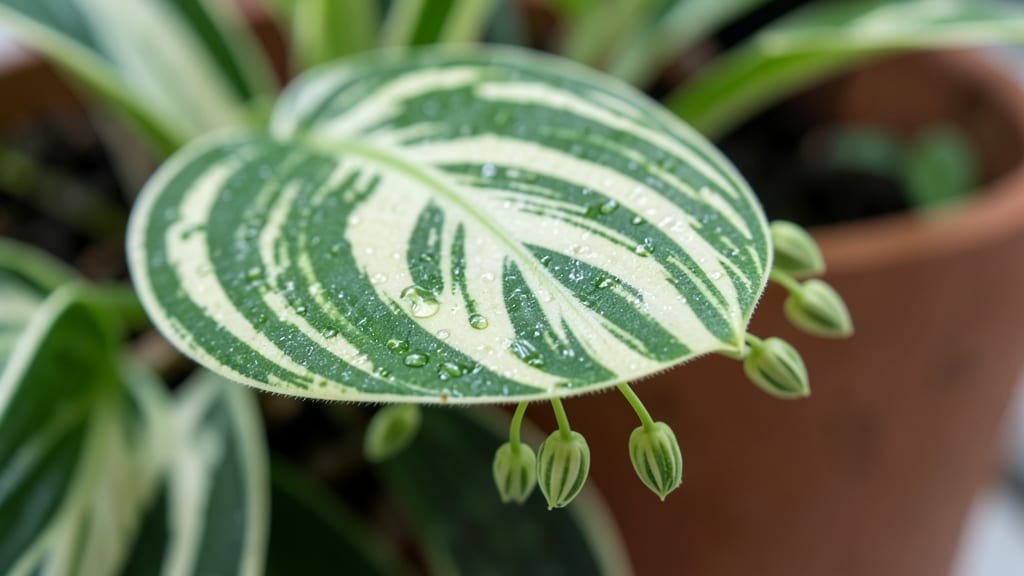
If your 🕷️ Spider Plant is looking sad—yellowing leaves, weak stems, or just refusing to grow—how much light does a spider plant require might be the key to solving the mystery. You're not alone; most people overthink this easygoing plant's needs, but the truth is simpler than you'd expect.
These resilient greens thrive in bright indirect light, making them perfect for busy homes where direct sun is a no-go.
The key is finding that sweet spot: too little light and your plant stretches out like it's reaching for a sunbeam, while too much turns its leaves crispy. I'll show you exactly how to spot the ideal location in your home, whether it's a cozy corner or a well-lit kitchen.
No guesswork needed—just clear, practical steps to keep your Spider Plant happy and healthy.
What makes this even better? Spider Plants are forgiving, so even if you mess up the lighting at first, there are easy fixes. We'll cover how to tell when your plant is begging for more light (or begging you to move it away from that harsh window).
By the end, you'll know exactly where to place yours for faster growth and those signature striped leaves you love.
Ready to transform your plant's future? Let's dive into the lighting secrets that'll have your Spider Plant thriving in no time—without the confusion or trial and error. Your green friend will thank you with lush, vibrant foliage!

Spider plant light requirements: the perfect balance between bright and indirect
If you’ve ever watched your spider plant (Chlorophytum comosum) slowly decline despite your best efforts, chances are the light conditions are to blame.
These hardy plants thrive in bright indirect light, but too much direct sun or too little brightness can stunt growth, discolor leaves, or even kill your plant. The key is finding that sweet spot where your spider plant gets enough light to flourish without getting sunburned.
Most people assume more light is better, but spider plants are sensitive to harsh rays. Unlike sun-loving succulents, they prefer gentle, diffused light—similar to what you’d find under a canopy of trees or near an east-facing window.
Understanding the nuances of light exposure will transform your spider plant from a struggling survivor to a lush, thriving houseplant. Let’s break down the ideal conditions and how to spot the perfect spot in your home.
🌱 Did You Know? Spider plants can actually tolerate low light for short periods, but their growth will slow dramatically. Over time, this leads to leggy stems and sparse foliage—clear signs your plant is begging for more brightness.
| Light Condition | Description | Ideal Location | Growth Impact |
|---|---|---|---|
| Low Light (<500 ft-c) | North-facing windows, corners far from windows, or rooms with minimal natural light. | Bathrooms, hallways, or offices with fluorescent lighting. | Slow growth, leggy stems, pale leaves, sparse foliage. |
| Medium Light (500-1,000 ft-c) | Indirect light from east or west windows, 3-5 feet from a south window. | Living rooms, kitchens, or dining areas with filtered sunlight. | Moderate growth, healthy green leaves, occasional spiderettes (baby plants). |
| Bright Indirect Light (1,000-2,500 ft-c) | Direct light filtered through a sheer curtain or 2-3 feet from an east/north window. | Best spot! Near windows with diffused light or under grow lights. | Optimal growth, vibrant variegation, frequent spiderette production, sturdy stems. |
| Direct Sunlight (>2,500 ft-c) | South-facing windows without curtains, greenhouses, or outdoor summer sun. | Avoid at all costs—even brief exposure causes leaf burn. | Brown patches, crispy edges, yellowing, stunted growth, potential death. |
Now that you know the light spectrum your spider plant thrives in, let’s talk about how to identify the perfect spot in your home. Start by observing the natural light patterns in each room. A north-facing window provides the gentlest light, while a south-facing window delivers the most intense rays.
If you notice shadows shifting quickly or leaves feeling warm to the touch near a window, that’s a sign of too much direct sunlight.
For a quick test, place your hand near potential spots. If the light feels cool and diffused (like early morning or late afternoon sun), it’s likely safe. If it feels hot or harsh, move your plant further away or add a sheer curtain to filter the light.
Spider plants are forgiving, but they’ll thrive best in consistent medium to bright indirect light.
One common mistake is assuming artificial light can fully replace natural sunlight. While LED grow lights can supplement light in low-light areas, they won’t replicate the spectrum of natural light your spider plant craves.
If you’re using artificial lighting, opt for full-spectrum bulbs and place the plant 6-12 inches away for 12-14 hours a day to mimic daylight.
Pro tip: Rotate your spider plant quarter-turns every 2-4 weeks to ensure even growth. Plants lean toward light sources, so consistent rotation keeps them balanced and bushy. This simple habit prevents lopsided growth and ensures all leaves get equal exposure.
If you’ve ever wondered why your spider plant’s leaves develop brown tips or turn yellow, light (or lack thereof) is often the culprit. In the next section, we’ll dive into signs of light stress and how to revive an unhappy plant.
But for now, remember: bright indirect light is non-negotiable for a happy, healthy spider plant.
💡 Quick Fix: If your spider plant is already suffering from too much sun, move it to a shadier spot immediately and mist the leaves to revive crispy edges. For underlit plants, gradually introduce more light over a week to avoid shocking the foliage.
Signs your spider plant isn’t getting enough (or too much) light
Your spider plant might look healthy at first glance, but subtle clues reveal whether it's struggling with light deprivation or sunburn risks. The key is understanding how light stress manifests differently than overwatering—both cause brown tips, but the solutions couldn't be more opposite.
Let's decode these visual cues so you can rescue your plant before it's too late.
When a spider plant gets too little light, its leaves stretch toward the window in a condition called etiolation. This results in long, thin stems with sparse foliage, almost like a leggy growth reaching for sunlight.
Meanwhile, excessive light—especially direct sun—causes crispy, brown edges that feel dry to the touch, unlike the soft brown tips from underwatering. The difference? One needs more light, the other needs shade.
- ✅ Pale green leaves (lacks chlorophyll)
- ✅ Leggy growth (stretched stems)
- ✅ Slow growth (fewer plantlets)
- ✅ Soft, mushy tips (waterlogged from overwatering)
- ❌ Brown crispy edges (sunburn)
- ❌ Yellow patches (chlorophyll breakdown)
- ❌ Bleached white streaks (excess UV)
- ❌ Hard, dry brown tips (light stress)
If your spider plant's leaves are turning yellow along the edges, it's often a sign of light stress combined with overwatering. The yellowing occurs because the plant can't photosynthesize efficiently in harsh light, while excess water prevents roots from accessing oxygen.
To fix this, reduce watering to every 10-14 days and move the plant to a spot with filtered sunlight, like 3 feet from a south-facing window.
For leggy growth, the solution is simple: relocate your plant to a brighter spot. Place it near an east-facing window where it gets morning sun, or use a grow light for 12-14 hours daily.
Avoid west or south windows unless you use a sheer curtain to diffuse the light. Within 4-6 weeks, you'll see new growth with shorter stems and darker green leaves.
Reviving a sun-stressed spider plant starts with immediate shade. Move it to a north-facing window or under artificial light (4000-6500K bulb). Trim any severely damaged leaves with sterilized scissors to encourage new growth.
If the roots are mushy, repot in fresh, well-draining soil and reduce watering until the soil is dry 1-2 inches deep before watering again.
Remember, spider plants are forgiving—they bounce back quickly when given the right conditions. The key is observing the leaf texture and growth pattern. Soft, flexible leaves mean it needs more light; crispy, brittle leaves mean it's getting too much.
With these adjustments, your spider plant will reward you with lush foliage and those iconic baby spiderettes in no time. 🕷️