
Plants
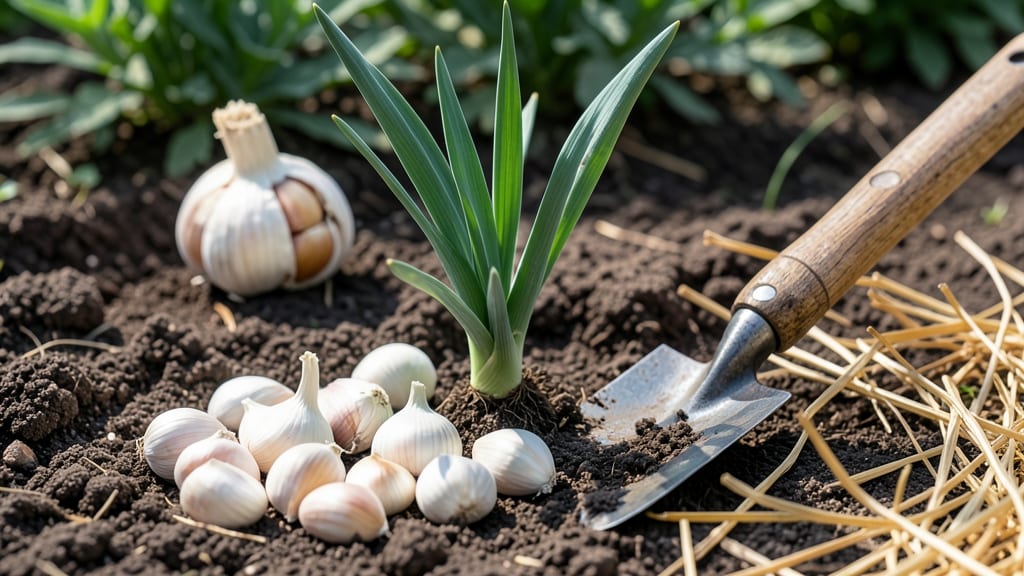
When to plant garlic in Ontario, Canada, can mean the difference between a thriving 🧄 harvest and wasted effort. The key isn't just picking a season—it's understanding how hardneck and softneck varieties respond to Ontario's 5b climate, where frost can sneak in as early as mid-October. Get the timing right, and you'll be harvesting plump bulbs by mid-summer.
Most gardeners in Ontario know fall planting is ideal, but the exact window matters. Hardneck varieties need that cold stratification to form bulbs, while softnecks are more forgiving. I'll show you exactly when to plant each type to avoid frost damage and maximize your yield—no guesswork involved.
You might think late October is safe, but that's where many Ontario gardeners go wrong. The ground needs to be cool but workable, and planting too late risks frost heaving.
I'll walk you through the perfect timing, soil prep, and variety choices so you can confidently start your garlic in the fall.
Whether you're a first-time grower or a seasoned gardener, these Ontario-specific tips will help you grow garlic like a pro. Let's dive into the best months, soil conditions, and variety recommendations to ensure your garlic thrives from planting to harvest.
Best planting months for garlic in Ontario: hardneck vs softneck breakdown
Ontario’s cool climate and variable frost dates make garlic planting a precision task. Unlike warmer regions, timing must account for hardneck vs. softneck varieties, which have opposite cold requirements. Hardnecks thrive with winter chilling, while softnecks tolerate milder starts.
In Zone 5b-6b, planting too early risks frost heave, while late planting may not provide enough cold for hardnecks to form bulbs.
For Ontario gardeners, the ideal window spans mid-October to early November, but adjustments are needed based on your region. Toronto’s later frosts (mid-November) allow slightly later planting than Ottawa’s (early November).
Soil temperatures below 10°C (50°F) signal readiness, but ground mustn’t freeze before cloves are 2 inches deep.
Here’s how the two varieties differ in Ontario’s climate:
| Factor | Hardneck Varieties (e.g., Rocambole, German White) | Softneck Varieties (e.g., Silverskin, Artichoke) |
|---|---|---|
| Cold Requirement | Needs 40-60 days below 4°C (40°F) for bulb formation | Tolerates milder winters; no strict cold requirement |
| Best Planting Month | October 15–November 1 (Toronto) or October 1–15 (Ottawa) | Late October–early November (more flexible timing) |
| Soil Temp for Planting | 5–10°C (41–50°F); ground mustn’t freeze | 7–15°C (45–59°F); can handle slightly warmer starts |
| Frost Tolerance | Survives deep freeze but risks frost heave if planted too early | More frost-resistant but may need mulch in harsh winters |
| Harvest Window | Mid-July (earlier than softnecks) | Late July–August (stores longer) |
| Ontario-Specific Tip | Plant 6 weeks before ground freezes (use hardneck-specific varieties like Music or Chesnok Red) | Can plant closer to November if winters are mild (e.g., Silverskin) |
Hardneck garlic’s cold stratification requirement is critical in Ontario. Without adequate chilling, bulbs may bolt prematurely or produce weak stems. For Toronto gardeners, aim to plant by October 25 to ensure enough cold exposure before winter sets in.
In Ottawa’s colder climate, you can push planting to November 1 since frosts arrive earlier.
Soil preparation is equally vital. Ontario’s clay-heavy soils often need compost amendment to improve drainage. Test your soil’s pH (6.0–7.0) and add aged manure or compost 2–3 weeks before planting. Hardnecks prefer looser soil to prevent frost heave, while softnecks adapt better to denser conditions.
Mulching plays a dual role: it insulates cloves from temperature swings and suppresses weeds. Use straw or leaves (4–6 inches thick) after planting. In southern Ontario, remove mulch in early spring to prevent rot, while northern regions may keep it longer to delay thawing.
For late plantings (after November 1), opt for softneck varieties like California Early, which tolerate warmer starts. However, hardnecks planted this late may not bulb properly. If you miss the window, consider spring planting (March–April) for a smaller harvest, but yields will be 50% lower.
Regional microclimates matter. Niagara’s warmer zones (6a) can plant softnecks until November 15, while Sudbury’s colder zones (4b) should finish by October 15. Use local frost date maps (e.g., Environment Canada’s) to fine-tune your schedule.
Pro tip: Mark your calendar 6 weeks before your area’s average first frost.
After planting, water lightly to settle soil, then reduce watering until spring. Overwatering in fall can drown cloves or cause rot. In dry years, a light soak in December helps establish roots before dormancy. Come spring, increase watering as shoots emerge—consistent moisture prevents bolting.
Monitor for garlic rust (a fungal disease common in Ontario’s humid summers) by removing diseased leaves and rotating crops annually. Hardnecks are slightly more rust-resistant than softnecks, but both benefit from crop rotation with non-allium plants like tomatoes or beans.
With the right timing, Ontario gardeners can harvest plump, flavorful bulbs by mid-summer. Hardnecks reward patience with bold flavors and scapes, while softnecks offer longer storage life. Start small—plant 10–20 cloves—to test
Ontario-specific garlic planting mistakes and how to avoid them
Even experienced Ontario gardeners sometimes make critical mistakes when planting garlic. The most common error is planting too early—like in September—which can lead to frost heave when the ground freezes and thaws.
Another frequent oversight is ignoring your soil pH, which should be between 6.0–7.0 for optimal growth. Without proper preparation, your garlic might struggle to establish strong roots before winter.
Choosing the wrong garlic variety for your USDA Zone 5a–6b climate is another mistake. Hardneck varieties like ‘Music’ or ‘German White’ thrive in Ontario’s cold winters, while softneck varieties like ‘Artichoke’ may not perform as well. Mixing up varieties can result in poor bulb formation or even complete crop failure.
Let’s address these common pitfalls with actionable solutions to ensure your garlic thrives in Ontario’s unique climate. Start by understanding the ideal planting window and how to prepare your soil for success.
⚠️ Warning: Late October Planting Dangers
Planting garlic after mid-October in Ontario risks exposing cloves to unpredictable frost cycles. If the ground doesn’t freeze solid before November, cloves may sprout too early and get damaged by freeze-thaw cycles. This can lead to rotting bulbs or stunted growth the following spring.
Solution: Aim to plant garlic 4–6 weeks before the first hard frost (typically mid-October in most of Ontario). Use a soil thermometer to confirm the soil temperature is below 10°C (50°F)—this signals it’s time to plant.
Before planting, perform a quick pre-planting checklist to avoid common oversights. Start by separating garlic cloves from the bulb, ensuring each clove has a small root attached.
Plant them 2 inches deep and 4–6 inches apart in rows spaced 12 inches apart. This spacing prevents overcrowding and improves airflow, reducing disease risk.
Another critical step is testing your soil pH. Garlic prefers slightly acidic to neutral soil. If your soil is too alkaline (above 7.0), amend it with peat moss or sulfur to lower the pH. Overlooking this can lead to poor nutrient uptake, resulting in weak, small bulbs.
A simple soil test kit (available at garden centers) makes this easy to check.
Finally, avoid planting garlic in areas with poor drainage or compacted soil. Garlic roots need room to expand, and waterlogged soil can cause rot. If your garden soil is heavy clay, mix in compost or sand to improve drainage.
Mulching with straw or leaves after planting also helps insulate the soil and protect cloves during winter’s harshest months.
By addressing these common mistakes—timing, variety selection, soil prep, and spacing—you’ll set your garlic up for a successful harvest. With the right approach, Ontario gardeners can enjoy bold, flavorful bulbs every summer, even in challenging climates. Happy planting! 🧄