
Plants
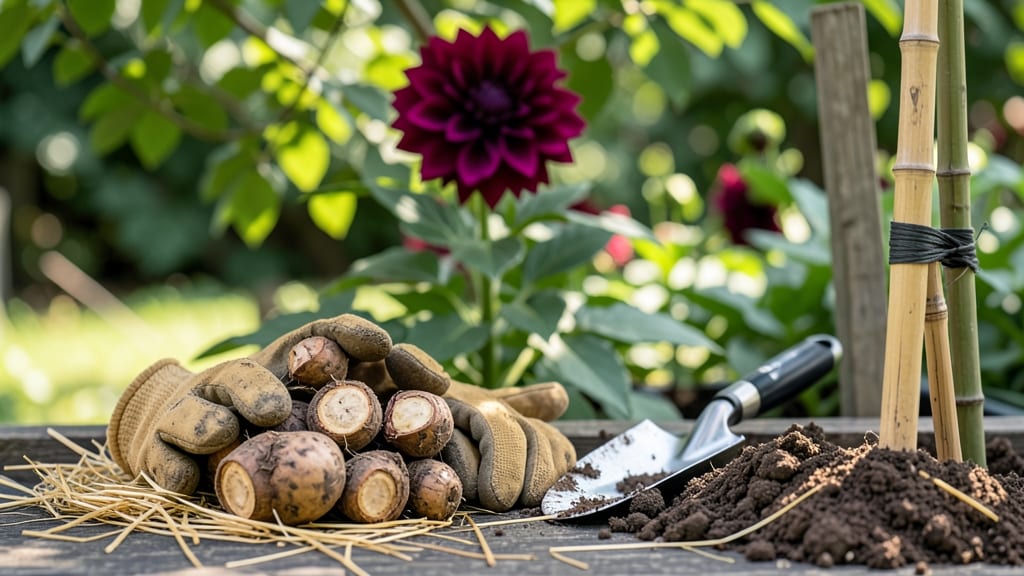
Planting dahlias in Texas isn't just about grabbing tubers and sticking them in the ground—it's about beating the heat and frost deadlines that can turn your 🌼 dahlias into sad, wilted stumps before they even bloom.
If you've ever watched your neighbors' dahlias thrive while yours struggle, you're not alone. The key lies in understanding Texas' three distinct planting zones and their last frost dates, which can vary by 4-6 weeks from North to South Texas.
I've spent years perfecting the timing, and what I'm about to share will help you plant your dahlias 4-6 weeks before that critical last frost—whether you're in chilly Zone 8a or sweltering Zone 11.
From soil prep tricks to heat-resistant varieties, you'll discover exactly how to give your dahlias the fighting chance they need to flourish from July through October—no matter where you garden in the Lone Star State.
Texas heat zones: exact dahlias planting dates by region
Texas stretches across three distinct USDA heat zones, each with unique frost timelines that dictate when to plant dahlias. North Texas (Zones 7b-8a) faces late frosts, while South Texas (Zones 9a-10a) rarely sees frost at all.
Central Texas (Zone 8b) sits in the middle, requiring precise timing to avoid both cold snaps and summer heat stress.
To calculate your exact planting window, subtract 4-6 weeks from your region's average last frost date. This gives dahlias enough time to establish roots before summer's brutal heat.
For example, if your last frost is March 15, plant tubers by February 15—no earlier, or they'll rot in cold soil.
| Texas Region | USDA Zone | Last Frost Date | Planting Window | Key Consideration |
|---|---|---|---|---|
| North Texas | 7b-8a | February 15 | February 1-15 | Frost risk until late March; use row covers if planting early. |
| Central Texas | 8b | March 1 | February 15-March 1 | Balanced climate; avoid planting after March 15 to prevent heat stress. |
| South Texas | 9a-10a | March 15 (rare) | March 15-April 15 | No frost risk; focus on shade cloth for summer protection. |
| 🌱 Pro Tip: For container planting, adjust dates 2 weeks earlier—pots warm up faster! | ||||
In North Texas (Zones 7b-8a), where frosts linger until mid-March, I recommend starting dahlias in containers indoors by January 15. Harden them off and transplant after the February 15 frost date. This head start ensures robust growth before summer's 100°F+ temperatures arrive.
Central Texas gardeners (Zone 8b) have a narrower window—plant between February 15 and March 1. After this, soil temperatures rise too quickly, causing tubers to sprout too fast and stress the plant. Amend soil with compost and sand to improve drainage and reduce heat stress.
For South Texas (Zones 9a-10a), where frost is rare, you can plant as late as April 15. However, I advise starting by March 15 to give dahlias time to establish before summer's intense sun. Use mulch to retain moisture and shade cloth during peak afternoon heat.
Regardless of your zone, soil temperature is critical. Dahlias won’t sprout until soil reaches 60°F. Use a soil thermometer to monitor—planting too early in cold soil leads to rotten tubers. In North Texas, this often means waiting until late February even if frost risk has passed.
Container gardeners in urban areas can cheat the system by planting 2 weeks earlier than ground plantings. Containers heat up faster, so adjust your timeline accordingly. Just ensure pots have drainage holes and use lightweight potting mix to prevent overheating.
Remember: Dahlias are tuber plants, not seeds. They need 4-6 weeks of warm soil to grow roots before shoots emerge. Rushing this process—especially in North Texas—often leads to failed blooms. Patience pays off with vibrant, long-lasting flowers from July to October.
🌼 Final Tip: Mark your calendar for 6 weeks before your last frost date—that’s when to plant. And if you’re unsure, check your local Texas A&M AgriLife Extension office for hyper-local frost data. Every county varies!
Preventing heat stress: how to time dahlias for Texas' brutal summer
Texas summers can push temperatures to 100°F+, making dahlias vulnerable to heat stress. The key is planting 4-6 weeks before peak heat—typically March-April—to give tubers time to establish roots. This early start helps dahlias outcompete weeds and develop heat-resistant foliage before the worst of the summer arrives.
In my Central Texas garden, I’ve found that mid-March planting (after the average last frost date) gives dahlias a 6-8 week head start before the June-July heatwave. This timing aligns with the Texas A&M AgriLife Extension recommendations for heat-tolerant perennials in Zone 8b.
⚠️ callout-warning
Planting too late (May or June) risks wilting, bud drop, and root rot from intense afternoon sun. Even heat-tolerant varieties struggle when tubers aren’t established before 90°F+ days. Use shade cloth (30-50%) if planting in April to ease the transition.
🌡️ Critical Tip: Monitor soil temps—keep them below 85°F for the first 2 weeks post-planting.
To prevent heat stress, I amend the soil with 3 inches of compost and 1 inch of perlite to improve drainage. Clay-heavy Texas soils retain too much moisture, leading to root suffocation when combined with high temperatures.
Raised beds or container growing (with 15-gallon pots) are great alternatives for urban or sandy soils.
Shade solutions are a game-changer in Texas. I use lightweight shade cloth (30% shade) over dahlias during June-August to reduce leaf scorch. Alternatively, plant dahlias near tall sun-loving perennials like sunflowers or hollyhocks to create natural afternoon shade.
Mulch with 2-3 inches of straw to retain soil moisture and regulate root-zone temps.
Watering strategy is critical—deep water early morning (before 8 AM) to avoid fungal diseases like powdery mildew. In 100°F+ heat, dahlias need 1-2 gallons per plant every 2-3 days. Drip irrigation with soaker hoses is ideal, as it delivers water directly to roots without wetting foliage.
Finally, choose heat-tolerant varieties like 'Café au Lait' or 'Bishop', which handle 95°F+ temps better than traditional types. These varieties also rebloom faster after heat-induced stress, giving you longer bloom seasons from July through October.