
Plants
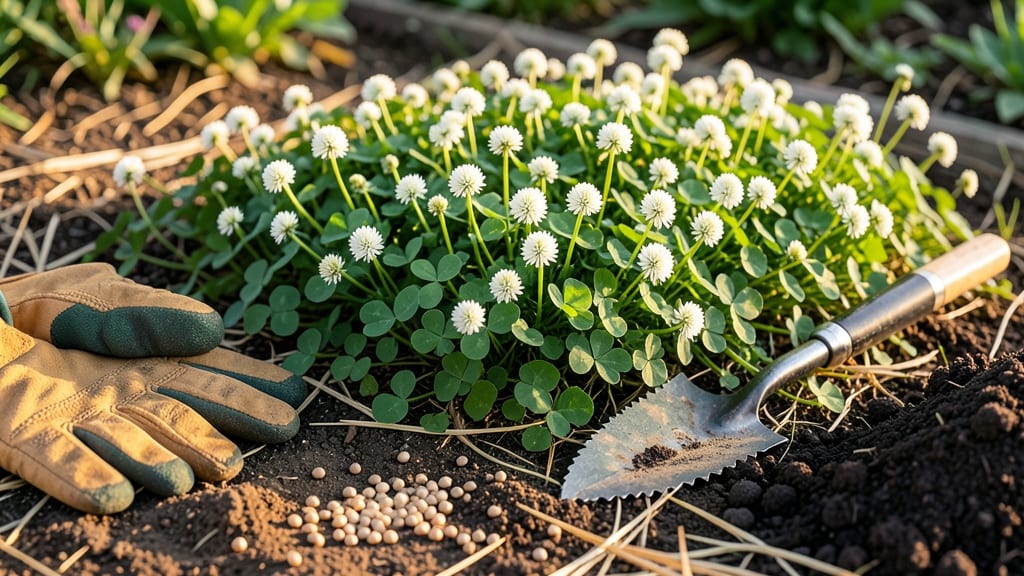
Planting clover at the right time in Indiana isn’t just about luck—it’s about unlocking fast, nitrogen-rich growth that transforms your lawn or pasture within weeks.
With Indiana’s USDA Zone 6 climate, timing matters more than you might think, especially when unpredictable spring weather can turn a good planting into a gamble.
For fast establishment, aim for early spring (March to April) or early fall (August to September), when soil temperatures are ideal and frost risks are minimal. These windows align perfectly with Indiana’s typical last frost date around April 15, giving your clover the head start it needs to thrive.
Skipping these periods could mean slower growth or even failure, especially if you’re planting as a cover crop or forage.
Whether you’re adding clover to your lawn for natural fertilization or growing it as hay, the key is preparation.
Loose, well-drained soil and proper spacing set the stage for success, while avoiding common mistakes like planting too early (when frost can still hit) or too late (when summer heat stresses young plants) makes all the difference.
Ready to see fast results? I’ll walk you through the exact steps to time your planting for Indiana’s climate, from soil prep to post-planting care—so you can enjoy a lush, healthy clover patch in no time.
Best planting windows for clover in Indiana’s USDA Zone 6 climate
Timing your clover planting in Indiana’s USDA Zone 6 can mean the difference between a thriving nitrogen-rich lawn and a patchy, slow-growing mess. With last frost dates around April 15 and first frosts hitting by October 15, you’ve got a narrow but critical window to plant for optimal success.
The key is balancing soil temperatures (ideally 50-70°F) with moisture levels to ensure fast germination.
Indiana’s microclimates add another layer—northern regions like Gary or South Bend may experience frost weeks later than southern areas like Evansville. Always check your local frost-free days (typically 165 days in Zone 6) and adjust your schedule accordingly.
For most gardeners, this means focusing on two prime windows: early spring and early fall.
Spring planting should begin as soon as the soil is workable, usually late March to mid-April. This gives clover seeds 6-8 weeks of warm weather before summer heat sets in. Fall planting, on the other hand, should occur 4-6 weeks before the first frost, ideally in late August to early September. This allows roots to establish before winter dormancy.
Here’s a quick reference for Indiana’s clover planting calendar, tailored to Zone 6’s unique conditions:
For spring planting, aim to get seeds in the ground 2-3 weeks after your last frost date. This timing ensures the soil has warmed enough to support clover germination, which typically occurs in 7-14 days under ideal conditions.
If you’re planting in northern Indiana, where frosts linger longer, consider using row covers to protect young seedlings from late-season chills.
In southern Indiana, where summers can be brutally hot, fall planting often yields better results.
The cooler temperatures reduce stress on seedlings, and the 6-8 weeks before winter allows roots to anchor deeply. White clover, in particular, thrives in fall plantings because it tolerates cooler soils better than red clover. Always choose a sunny location with well-draining soil—clover hates soggy roots!
One common mistake Indiana gardeners make is planting clover too early in spring when soils are still cold and saturated. This leads to rot or slow germination. Similarly, planting too late in fall risks exposing young plants to early frosts.
To avoid these pitfalls, monitor soil temperatures with a simple soil thermometer—clover seeds need at least 50°F to sprout consistently.
If you’re planting clover as a cover crop or for forage, consider a mixed planting strategy: sow half your seeds in early spring and the other half in late summer.
This staggered approach ensures a continuous nitrogen supply throughout the growing season. Just remember, red clover grows faster but has a shorter lifespan, while white clover is more persistent but slower to establish.
For lawn applications, focus on early fall planting—this gives clover time to spread before winter and outcompete weeds in spring. In pasture settings, mix clover with grasses like timothy or orchardgrass for a balanced forage system.
Always oversow lightly (about 1/4 pound per 100 sqft) to prevent
How to adjust planting time based on clover variety and soil conditions
Not all clover varieties thrive at the same time in Indiana’s USDA Zone 6 climate. Red clover and alsike clover prefer cooler soil temperatures, while white clover adapts better to warmer conditions. Your soil’s pH level, drainage, and organic matter also shift the ideal planting window by weeks.
Let’s break down the best timing for each variety and how to prep your soil for success.
Soil temperature plays a critical role in germination. Red clover seeds germinate best when soil temps reach 45-55°F, while white clover thrives in 60-75°F ranges. Alsike clover, a less common choice, falls between these at 50-60°F.
In Indiana, this means late March to early April for red clover and late August to early September for white clover. Misjudging these temps can delay germination by 2-4 weeks.
Indiana’s heavy clay soils can delay germination if not amended properly. Aim for a pH between 6.0 and 7.5—red clover struggles below 6.0, while white clover tolerates up to 7.5.
Test your soil 4–6 weeks before planting to adjust with lime (for acidic soil) or sulfur (for alkaline soil). Organic matter, like compost, improves drainage and holds moisture, which is critical during Indiana’s hot, dry summers.
Avoid planting red clover too early—seeds rot in cold, wet soils below 40°F. Conversely, white clover planted in late fall may not establish roots before frost. For alsike clover, watch for aluminum toxicity in acidic soils; amend with lime if needed.
Always plant when soil temps are consistently above the variety’s threshold for 7–10 days.
Common mistakes in Indiana include planting white clover in shady spots (it needs 6+ hours of sun) or red clover after mid-April, when soil temps rise too quickly.
For fall plantings, aim to sow 4–6 weeks before frost (around September 15 in Indiana) to allow roots to establish before winter. Mulch lightly with straw to protect seeds from late-season rains.
Pro tip: Use a soil thermometer to monitor temps—Indiana’s microclimates can vary by 10°F just miles apart. Adjust your planting date if temps stray from the ideal range.
With the right timing and soil prep, your clover will establish in 3–4 weeks, adding nitrogen and beauty to your lawn or pasture.