Plants
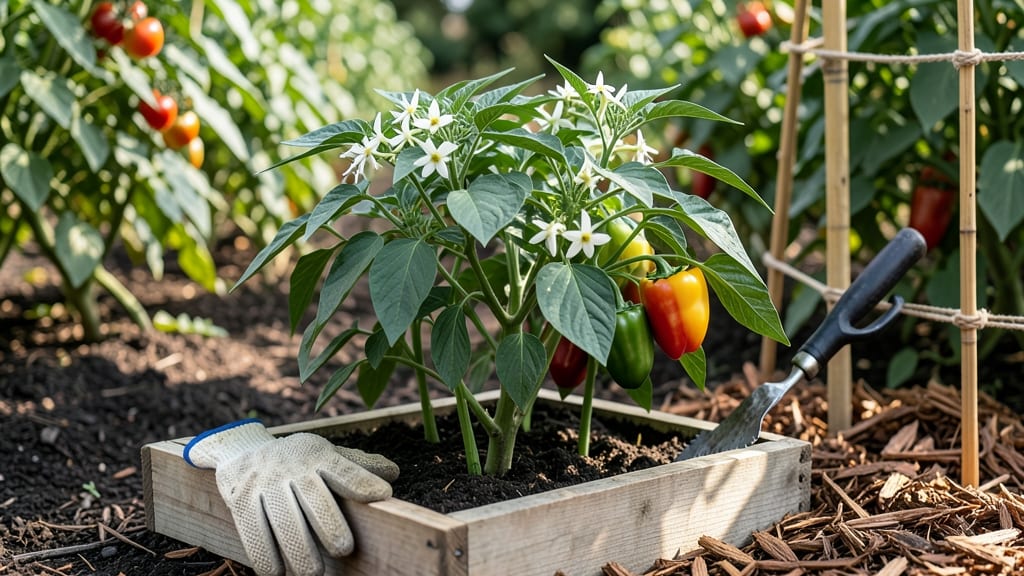
Planting your 🌶️ bell peppers in Oregon at the wrong time means frost could turn your hard work into a sad, wilted mess before you even taste that first harvest.
The key to success? Timing it right—after the last frost, when soil temperatures hit 60°F, and before summer’s heat peaks.
Oregon’s diverse climate—from coastal chill to inland warmth—means your planting window varies. In USDA zones 7b-9a, aim for April 15 to June 15, but coastal gardeners should wait a little longer to avoid early-season frosts.
Whether you’re sowing seeds indoors or directly in the ground, getting this right is the difference between a bumper crop and a disappointing patch.
I’ll break down the exact dates for your region, share tricks to extend your growing season, and help you avoid common mistakes that kill pepper plants before they even fruit. Ready to grow peppers that thrive from July to October? Let’s get started.
From soil prep to succession planting, these Oregon-specific tips will ensure your 🌶️ bell peppers grow strong, sweet, and ready for harvest—no frost-induced failures allowed.
Oregon’s best planting windows for bell peppers by heat Zone
Oregon’s diverse microclimates mean your bell pepper planting timeline depends heavily on your USDA heat zone. In Zone 6 (eastern Oregon), frost lingers until May 15, while Zone 9 (southern Willamette Valley) enjoys frost-free soil by March 15.
Even a 10-day difference can mean the difference between a thriving harvest and lost plants.
For maximum yield, start seeds indoors 8-10 weeks before your last frost date. This gives seedlings a head start in cooler zones (6-7), where the growing season is shorter. In warmer zones (8-9), you can direct-sow after soil reaches 60°F (15°C), typically by April 15.
🌱
In Zone 6, where frost can linger until May 15, opt for early-maturing varieties like 'Early California Wonder' (60 days to harvest). These peppers thrive even with a shorter growing season and can be started indoors as early as March 1.
For Zones 7-9, you have more flexibility. In Zone 7 (Central Oregon), direct-sow after May 1 when soil warms. In Zone 8-9, you can even start seeds indoors by January 15 for an early harvest, or direct-sow as early as March 15 in southern Oregon.
🌿
Pro tip: Use a soil thermometer to confirm soil temps. Bell peppers won’t germinate below 60°F (15°C), even if frost isn’t a threat. In cooler zones, extend your season by using black plastic mulch to warm soil faster.
Succession planting works well in Zones 8-9. Sow a second batch 4-6 weeks after your first planting to stagger harvests through October. In Zone 6, focus on one main planting and protect late-season peppers with row covers if frost threatens.
🪴
If you’re in coastal Oregon (e.g., Astoria or Newport), expect cooler, wetter conditions that delay planting until late May. Inland areas like Bend or Pendleton can plant 2-3 weeks earlier thanks to warmer microclimates.
For container gardening, start seeds indoors 2 weeks earlier than the table suggests. Pots warm up faster, giving you a 10-14 day head start in Zone 6-7. Just ensure containers have drainage holes to prevent root rot.
☀️
How to extend Oregon’s short growing season for bell peppers
Oregon’s cool coastal climates and unpredictable frosts can turn bell pepper dreams into nightmares—unless you extend the season strategically. With the right tools and timing, you can protect your plants from late spring frosts and early fall chills, ensuring a bountiful harvest even in USDA zones 7-9.
The key? Combining seasonal extensions with heat-tolerant varieties that thrive in Oregon’s unique microclimates.
Start by choosing fast-maturing varieties like ‘Early California Wonder’ or ‘Carmen,’ which can produce peppers in just 60-70 days. Pair these with season-extending techniques to shield your plants from temperature swings.
Whether you’re in the Willamette Valley or the coastal rain belt, these methods will give your peppers the protection they need to flourish.
🌱 5 Ways to Extend Oregon’s Growing Season for Bell Peppers
- Use row covers or frost cloth to protect seedlings from late spring frosts (down to 28°F). Secure edges with bricks or soil to prevent wind damage.
- Set up cold frames or hoop houses for early starts. These can raise soil temps by 10-15°F, allowing you to plant 4-6 weeks earlier than usual.
- Practice succession planting every 2-3 weeks from April to June. Staggered plantings ensure a continuous harvest before fall frosts hit in October.
- Choose heat-tolerant varieties like ‘Jupiter’ or ‘Aristotle,’ which handle 90°F+ temps better than standard types. These are bred to resist blossom-end rot and sunscald.
- Plant in containers or raised beds filled with heat-retaining materials like compost or black plastic mulch. This keeps roots 5-10°F warmer than in-ground soil.
For coastal Oregon gardeners, focus on windbreaks and microclimates. South-facing slopes or greenhouses can add critical heat retention, while inland areas benefit from drip irrigation to prevent stress during summer heatwaves. Always monitor soil temperatures—peppers won’t thrive below 60°F, even with protection.
If you’re in Zone 7b or cooler, consider overwintering peppers in a protected indoor space (like a sunny window or grow tent) and replanting outdoors in early May.
This “double harvest” trick can give you peppers from June through October, beating Oregon’s 165-day frost-free window to its fullest.
Don’t forget to mulch heavily with straw or wood chips to insulate roots. This simple step can delay fall frosts by 2-3 weeks and reduce watering needs. Pair it with regular pruning to improve airflow, and your peppers will stay healthy and productive well into autumn.
With these season-extending hacks, you’ll turn Oregon’s short growing season into a pepper powerhouse. Start early, protect wisely, and soon you’ll be enjoying homegrown peppers long after your neighbors’ gardens have gone dormant. 🌶️