
Plants
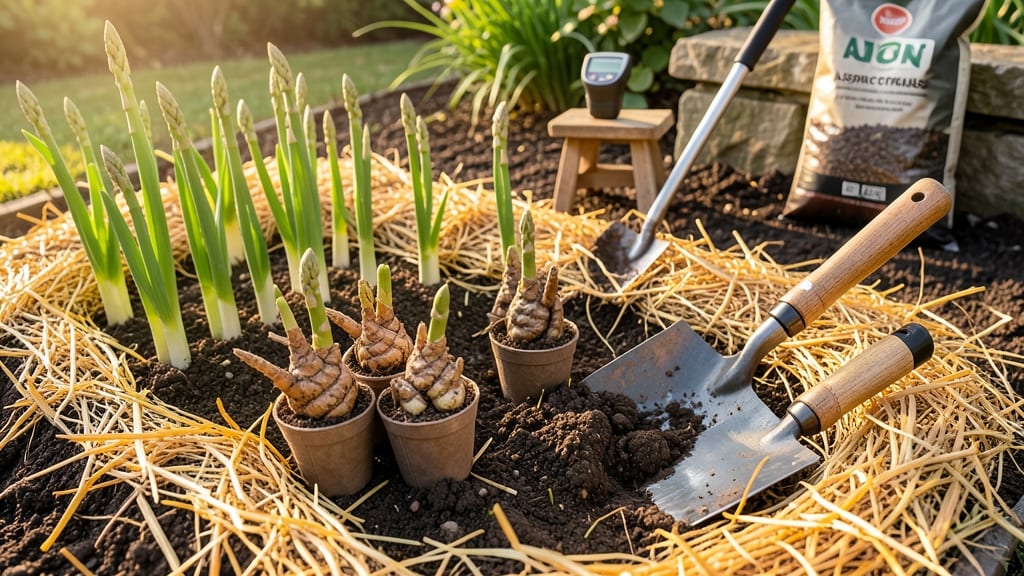
Planting asparagus at the wrong time in Maryland can mean waiting three years before your first harvest - and nobody wants that!
The key to success lies in understanding your USDA Zone 7b deadlines, where late winter to early spring (February through March) offers the perfect window for planting crowns before the last frost hits around March 15.
Unlike many vegetables, asparagus is all about patience and preparation. You'll want to get those crowns in the ground when soil temperatures consistently reach 40°F, which typically happens by mid-March in Maryland's climate.
This timing gives your young plants enough growing season to establish strong roots before winter sets in again.
What makes Maryland's planting schedule unique? The state's microclimates mean your exact timing might vary slightly depending on whether you're in Baltimore, Frederick, or near Annapolis. We'll break down how to adjust for your specific location while ensuring you avoid common mistakes that delay harvests.
Once you've got the timing right, we'll show you exactly how to prepare your soil, plant those crowns at the perfect depth, and care for them through Maryland's unpredictable springs. Let's get your asparagus off to the strongest possible start!
Optimal planting windows for Maryland asparagus success (zone 7b)
Maryland’s USDA Zone 7b climate creates a narrow but critical window for planting asparagus. Unlike many vegetables, asparagus crowns thrive when planted in cool soil temperatures (40°F+), giving you two ideal opportunities: early spring or late fall.
Missing these windows risks stunted growth or winter kill, especially in Maryland’s unpredictable frost patterns.
The last spring frost typically arrives between April 15-May 1, while the first fall frost hits October 15-November 1. These dates bookend your planting opportunities—plant too late, and your asparagus won’t establish strong roots before winter’s chill sets in.
For Baltimore, Frederick, and Annapolis, microclimates can shift these deadlines by 1-2 weeks. Coastal areas like Annapolis often warm 1-2°F earlier than inland Frederick, while Baltimore’s urban heat island effect may delay fall frosts slightly. Always check your local Almanac frost dates for precision.
| Planting Window | Soil Temperature | Maryland Deadline | Microclimate Adjustments |
|---|---|---|---|
| Early Spring | 40°F+ | March 15-April 15 | Annapolis: +7 days | Frederick: -7 days |
| Late Fall | 45°F+ | September 15-October 15 | Baltimore: +5 days | Inland: -5 days |
| Avoid Planting | N/A | After June 15 | Summer heat stresses crowns |
Spring planting is the most reliable option for Maryland gardeners. Aim to plant asparagus crowns 6-8 weeks before your last frost date—typically mid-March to early April. This timing ensures roots establish before the spear-producing crown emerges, giving you a 3-year harvest window instead of a 1-year disappointment.
Fall planting is riskier but possible if you act early. Plant September 15-October 15 when soil temps drop below 70°F. The crown will root before dormancy, but Maryland’s unpredictable early frosts (especially in Frederick) can damage tender new growth. Always mulch heavily after planting to insulate roots.
Soil temperature is your best guide, not calendar dates. Use a soil thermometer to confirm 40°F+ for spring or 45°F+ for fall. Maryland’s clay-heavy soils retain cold longer, so test 2 inches deep where you’ll plant.
If temps fluctuate, wait—cold soil stunts root growth, and asparagus won’t forgive delays.
Pro tip: Pre-soak crowns for 4-6 hours before planting to jumpstart root growth. This is especially critical in Maryland’s dry springs, where crowns can dry out before hitting moist soil. Pair this with compost-amended trenches (6-8 inches deep) to give roots the well-draining, nutrient-rich environment they crave.
For Baltimore’s urban gardeners, heat island effects can push soil temps 5°F warmer than rural areas. Monitor your microclimate closely—planting too early in city soils risks premature sprouting, while rural Frederick gardeners should err on the earlier side to avoid late frosts.
Remember: Asparagus is a patient plant. First-year harvests are minimal, but proper timing now means 10+ years of spears. Skip the shortcuts—Maryland’s climate demands precision, and your future harvests will thank you.
Step-by-step Maryland asparagus planting schedule: from crowns to soil
Maryland’s clay-heavy soils and USDA Zone 7b climate demand precise timing when planting asparagus crowns. Unlike many vegetables, asparagus thrives when planted early—6-8 weeks before your last frost date (typically mid-February to early March in Maryland).
Ordering crowns too late limits root establishment before summer heat arrives, while planting too early risks frost damage. Let’s break down the exact schedule to ensure your asparagus crowns get a strong start.
Your first step is ordering asparagus crowns from a reputable supplier. In Maryland, aim to receive them 6-8 weeks before planting—so if you’re planting in early March, order by mid-January.
Crowns should be firm, white, and free of mold. Store them in a cool, dark place (like a basement) until planting day. Avoid refrigerating them, as asparagus crowns can’t handle freezing temperatures.
Before planting, pre-soak the crowns for 4-6 hours in lukewarm water. This hydrates the roots and kickstarts growth. While they soak, prepare your planting site by digging a 6-8 inch deep trench.
Maryland’s clay soil benefits from organic matter—amend the trench with compost or aged manure to improve drainage and fertility. This step is critical, as asparagus hates soggy roots and will rot if planted in compacted or waterlogged soil.
📅 Maryland Asparagus Planting Timeline
- 1 Order Crowns: Mid-January to late February (6-8 weeks before planting).
- 2 Pre-Soak Crowns: 4-6 hours in lukewarm water before planting.
- 3 Dig Trenches: 6-8 inches deep, spaced 3-4 feet apart.
- 4 Plant Crowns: Spread roots 12-18 inches apart in trench, cover with 3 inches of soil.
- 5 Fill Trench: Gradually add soil until trench is 2 inches below ground level.
- 6 Mulch & Water: Apply 3-4 inches of mulch and water 1-2 inches weekly.
Once your asparagus crowns are in the trench, cover them with 3 inches of soil to start. Over the next 2-3 weeks, gradually fill the trench until it’s 2 inches below ground level. This encourages roots to spread horizontally, which is key for a high-yielding asparagus bed.
After planting, apply a 3-4 inch layer of mulch (straw or shredded leaves work well) to retain moisture and suppress weeds. Maryland’s clay soil can dry out quickly in summer, so mulching is a game-changer.
Watering is critical in the first 30 days after planting. Aim for 1-2 inches of water weekly, delivered in the morning to reduce evaporation and fungal risks. Avoid overhead watering, which can spread disease.
Once established (after Year 2), asparagus becomes more drought-tolerant, but consistent moisture during the first growing season sets the stage for future harvests. Skip fertilizing during the first year—your focus should be on root development, not spear production.
By following this Maryland-specific schedule, your asparagus crowns will establish deep roots before summer heat arrives. Resist the urge to harvest spears in the first year—let the plants focus on building strength for 3-4 years of abundant harvests.
With the right timing and care, your asparagus bed will become a perennial powerhouse in your garden. 🌱