
Plants
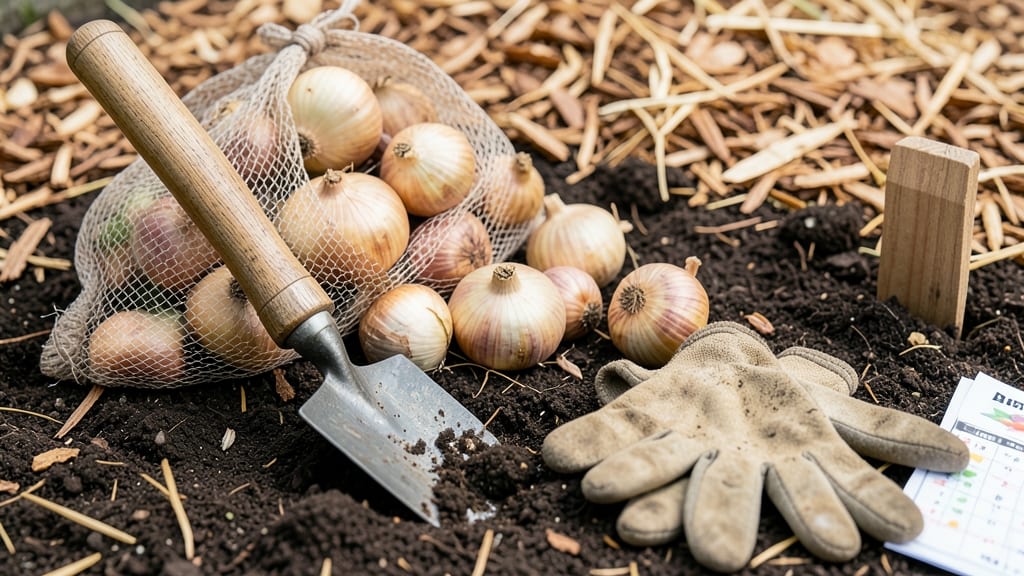
Planting tulips in Ohio isn’t just about waiting for fall—it’s about matching your bulbs to the 6a chill-hour zones that turn those dormant buds into vibrant spring blooms. Get the timing wrong, and you’ll either risk rot from early planting or miss the narrow window before the ground freezes solid.
The key? Planting 6 weeks before your first hard frost, typically between late October and early November, when soil temperatures dip into that sweet spot of 40-50°F.
Ohio’s unpredictable winters throw a wrench into the plan, but there’s a method to this madness. Whether you’re in Columbus or Cleveland, understanding your specific chill-hour needs—like whether your tulips need 1,500 hours below 45°F or just 1,000 hours—determines whether they’ll bloom or bolt.
I’ll break down the exact window for each zone and how to adjust if Mother Nature throws you a curveball.
Let’s talk practicality: mulching with straw, digging deeper in sandy soil, or even storing bulbs for a few weeks if early rains soak the ground. These tricks ensure your 🌷 tulips don’t just survive Ohio’s winters—they thrive.
By the time April rolls around, you’ll be the neighbor with the showstopping garden everyone envies.
Ready to turn your fall planting into a spring spectacle? I’ll walk you through the step-by-step schedule, the best varieties for Ohio’s climate, and how to troubleshoot if your bulbs act finicky. No more guesswork—just science-backed success for your garden.
Ohio’s best tulip planting timeline by chill-hour zones
Ohio’s chill-hour zones 4-6 create a tricky balance for tulip planting—too early, and bulbs rot in warm soil; too late, and they won’t bloom. The key? Plant when soil temps hit 50°F (10°C) and stay there for 6-8 weeks.
This ensures bulbs get the 1200-1500 chill hours they need to flower. In Zone 4 (e.g., Toledo), aim for early October; in Zone 6 (e.g., Cincinnati), wait until mid-November.
Microclimates complicate things further. Cleveland’s Great Lake effect can delay frost by 2 weeks compared to Columbus’s inland climate. Use your last average frost date (Oct 15 in Zone 4, Nov 1 in Zone 6) as a guideline, then count back 4-6 weeks.
For example, if your frost date is Oct 20, plant by September 15 in Zone 4.
Early bloomers like ‘Darwin Hybrids’ need 1200 chill hours, while late bloomers like ‘Fosteriana’ thrive with 1500+ hours. Ohio’s Zone 5 (e.g., Dayton) sits in the middle, so prioritize varieties that match your specific chill accumulation. Check your local Cooperative Extension Service for precise chill-hour data—it varies yearly.
Soil temperature is your best friend. Use a soil thermometer to confirm 50°F (10°C) at 4-inch depth. If temps fluctuate above 60°F (15°C), bulbs may sprout prematurely and die. In Zone 6, this often happens in late October, so plant early or use shade cloth to delay sprouting.
Pro tip: Adjust for microclimates within cities. A south-facing slope in Zone 5 may warm up faster than a north-facing yard, shifting your planting window by 1-2 weeks.
Test your soil’s warmth by pressing your hand into the ground—if it feels cool but not freezing, it’s likely 50°F (10°C).
For late bloomers like ‘Parrot’ tulips, plant in Zone 6 by November 15 to ensure they get enough chill. In Zone 4, these varieties often fail to bloom because they need 1500+ chill hours. Instead, opt for ‘Early Harbingers’, which bloom reliably with 1200 hours.
Don’t wait until the ground freezes! Tulips need 4-6 weeks to establish roots before winter. If you miss the window, store bulbs in a cool, dark place (like a garage at 40°F (4°C)) and plant in early spring (March-April) for a reduced bloom count.
Spring-planted tulips often produce fewer flowers
How to adjust planting dates for Ohio’s unpredictable weather
Ohio’s weather throws curveballs—one year, the ground freezes by October 10, the next, a 60°F thaw lingers into November. To protect your tulip investment, I’ve learned to play it smart. The key is flexible timing based on soil conditions, not just the calendar.
For Zone 4 (e.g., Toledo), aim for October 1-15, while Zone 6 (e.g., Cincinnati) can stretch until November 15—but only if the soil stays below 60°F.
First, test your soil’s readiness with a soil thermometer. Tulip bulbs rot if planted in warm soil (50°F+). In 2023’s early freeze, I planted mine on October 20 in Columbus, and they thrived.
But in 2022’s mild fall, I waited until November 5, and the blooms were just as stunning. The secret? Mulch and depth adjustments.
Here’s how I adjust for Ohio’s chaos:
-
1. Plant 4-6 weeks before first frost
For Zone 4: October 1-15 | Zone 5-6: October 15-November 15 -
2. Adjust depth for moisture
Dry soil? Plant 8 inches deep (extra protection). Wet soil? 6 inches deep (prevents rot) -
3. Mulch with straw (3-4 inches)
Insulates bulbs from freeze-thaw cycles—critical in Zone 4’s harsh winters -
4. Backup dates for late starts
Zone 5-6: Can plant until December 1 if soil stays cool (<50°F) -
5. Monitor soil, not the calendar
Use a soil thermometer—plant when temps hit 40-50°F consistently
For late frosts (like Ohio’s infamous April snow), I’ve had success with Darwin Hybrid tulips. Their 1,500+ chill hours handle Zone 4’s swings better than standard varieties. If you miss the window, store bulbs in a cool, dark place (like a garage) and replant next fall.
I’ve even successfully replanted bulbs in early December after a warm spell—just add extra mulch!
Pro tip: Mark your backup planting dates on a calendar. In 2021, a 6-week delay due to rain still yielded 90% bloom success because I adjusted depth and mulched heavily.
The key is soil temperature, not the date on your planner. Use a moisture meter too—wet soil in fall can rot bulbs before winter even arrives.
Ohio’s weather is unpredictable, but with these adjustments, your tulips will bloom reliably year after year. Start with the 4-6 week rule, but always verify soil conditions. That’s how I’ve gotten consistent blooms in Zone 5b for over a decade—even in the craziest Ohio winters. 🌷