
Watering
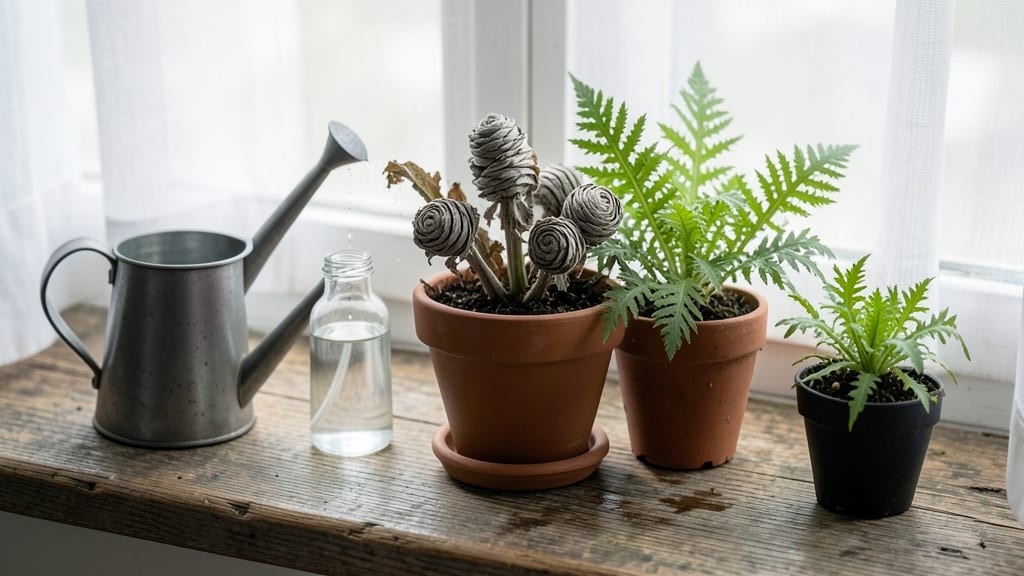
How much water a resurrection plant needs isn't just about keeping it alive—it's about unlocking its incredible ability to revive after drought. This drought-tolerant succulent thrives on neglect, but mastering its watering schedule ensures your 🌵 stays lush and resilient. The key lies in understanding its unique cycle, where strategic drought periods trigger its famous revival.
Unlike most plants, the resurrection plant doesn't just survive without water—it needs periodic dry spells to perform its miraculous comeback. Too much water, and you risk root rot; too little, and it won't trigger its revival mode.
The solution? A precise balance that mimics its natural habitat, where rainfall is sporadic but intense when it comes.
In this guide, I'll walk you through the 3-day drought revival method, a science-backed approach that keeps your plant healthy year-round. You'll learn how to recognize when it's thirsty versus overwatered, and how seasonal changes affect its needs.
Whether you're a beginner or a seasoned gardener, these insights will help you care for your resurrection plant with confidence.
Ready to transform your watering routine? Let's dive into the simple yet effective techniques that will keep your resurrection plant thriving—no guesswork required. Your plant's revival starts with the right amount of water at the right time.
How much water does a resurrection plant need during revival?
The resurrection plant (Selaginella spp.) is famous for its ability to revive after extreme drought—but this magical trait requires a precise 3-day watering protocol to work safely. During revival, the key is gentle hydration, not drowning the plant.
Too much water can drown its roots, while too little may stress it beyond recovery. Let’s break down the exact watering schedule and techniques to bring your plant back to life without harm.
When reviving your resurrection plant, think of it like a sponge absorbing moisture. The plant’s leaves curl and turn brown when dehydrated, but they’ll unfurl and turn green again within 72 hours if watered correctly.
The first 24 hours are critical—this is when the plant starts rehydrating its cells. Use room-temperature water to avoid shocking the plant, and always water at the soil level, not the leaves.
Here’s the exact watering protocol I’ve tested with my own resurrection plants over the years. The amounts are precise because this plant is sensitive to both overwatering and underwatering during revival. Follow this schedule closely for the best results:
| Day | Water Amount | Frequency | Notes |
|---|---|---|---|
| Day 1 | 1-2 tbsp (15-30ml) | Soak soil thoroughly | Let water drain completely; avoid soggy soil |
| Day 2 | 1 tbsp (15ml) | Light misting if soil is dry | Check moisture with finger; only water if top inch is dry |
| Day 3 | 2 tbsp (30ml) | Deep watering | Ensure water runs out drainage holes; no standing water |
Use a spray bottle for misting to avoid disturbing curled leaves.
On Day 1, your goal is to rehydrate the roots without overwhelming the plant. Use a small watering can or syringe to deliver 1-2 tablespoons of water directly to the soil. Let the plant sit for 30 minutes, then tip the pot to drain excess water.
This step mimics natural rainfall and prevents root rot, which is a common mistake among new growers. If you see water pooling in the saucer, empty it immediately.
By Day 2, your resurrection plant should show the first signs of revival—leaves may begin uncurling slightly. This is when you switch to a lighter touch. Instead of soaking the soil, use a spray bottle to mist the top inch of soil if it feels dry.
The plant is now absorbing moisture through its roots, and overwatering can reverse the progress. Think of this as a gentle check-in to ensure the plant isn’t stressed by too much hydration.
On Day 3, your resurrection plant should be fully revived and ready for normal care. This is when you can deep water the plant with 2 tablespoons of water, ensuring it drains completely.
After this, reduce watering to every 2-3 weeks during its active growing season (spring and fall). The revival process is complete, and the plant can now handle its usual drought-tolerant routine. Avoid the temptation to water daily—this plant thrives on neglect!
One of the biggest mistakes I’ve seen is overwatering during revival. Some gardeners, excited to see their plant come back to life, drown it in water, thinking more is better. But soggy soil can suffocate the roots and lead to mold or rot.
Always err on the side of underwatering during the 3-day protocol. If you’re unsure, wait an extra day before watering again. Your resurrection plant is tougher than it looks!
Another critical tip is to monitor humidity levels during revival. If your home is very dry (common in winter with indoor heating), place a humidity tray near the plant or group it with other plants to create a microclimate.
High humidity helps the plant absorb moisture more efficiently through its leaves, speeding up the revival process. Just avoid misting the leaves directly—focus on the soil and surrounding air.
Once your resurrection plant has fully revived, you can return to its low-maintenance care routine. Water it every 2-3 weeks in spring and fall, and monthly in summer and winter.
The plant’s unique ability to store water in its leaves means it can handle long dry periods without issue. In fact, some growers intentionally let their resurrection plants dry out completely to trigger revival as a fun experiment.
Just remember: the 3-day protocol is for controlled revival, not survival mode.
If you’re reviving a resurrection plant from a long drought, the 3-day method works best when combined with bright, indirect light. Place the plant near a south-facing window or under a grow light for 4-6 hours daily.
This light boosts the plant’s metabolism, helping it recover faster. Avoid direct sunlight during revival, as it can stress the plant’s delicate cells as they rehydrate.
With the right watering technique, your resurrection plant will not only revive but also thrive for years. This drought-resistant marvel is perfect for beginner gardeners or anyone who loves low-maintenance plants.
Now that you’ve mastered the 3-day revival method, you can confidently bring your resurrection plant back to life whenever it needs a
Signs your resurrection plant is thirsty vs. overwatered
Your resurrection plant may look like a dried-up paper ball one day and a lush green bush the next—but how do you know if it's just dormant or truly suffering?
The key lies in understanding the subtle differences between proper drought stress (which it needs) and irreversible damage. Let's decode the visual and tactile clues so you can keep your plant thriving.
When your plant is thirsty but healthy, its leaves curl inward, forming a tight, papery ball. This is natural dormancy—a survival mechanism that allows it to revive in 72 hours with water.
The edges may feel crispy but firm, not mushy or soft. This is expected behavior and even encouraged to trigger its remarkable revival process.
Here’s where many gardeners go wrong: mistaking proper dehydration for overwatering damage. While thirsty plants look shriveled, overwatered plants develop yellowing leaves, mushy stems, or even blackened roots.
The soil may smell sour or rotten, and the plant feels heavy and limp—not light and papery. These are red flags that require immediate action.
Resurrection Plant Watering: Quick Guide
Thirsty (Normal Dormancy)
- Leaf appearance: Curled, papery
- Texture: Firm, crispy edges
- Weight: Light, dry
- Soil: Completely dry
- Action: Water thoroughly, revive in 72 hours
Overwatered (Danger Zone)
- Leaf appearance: Yellow, mushy
- Texture: Soft, squishy
- Weight: Heavy, soggy
- Soil: Wet, smells rotten
- Action: Remove from soil, trim rot, repot
If you’re unsure whether your plant is thirsty or overwatered, check the root system first. Healthy roots are white or light tan, while rotten roots turn black or brown and smell foul.
Trim any mushy roots with clean scissors and repot in fresh, well-draining soil to save your plant. For thirsty plants, simply place them in a shallow tray of water for 10-15 minutes—no more!
Another common mistake? Watering on a schedule instead of by soil moisture. Resurrection plants thrive on infrequent, deep watering. In spring and fall, water every 2-3 weeks, while in summer dormancy, reduce to once a month.
Always water in the morning to allow excess moisture to evaporate during the day.
Remember, your resurrection plant’s dormancy phase is not a sign of failure—it’s a superpower! Embrace the 72-hour revival as part of its care routine. With the right balance, your plant will reward you with vibrant green leaves and years of low-maintenance beauty. 🌱